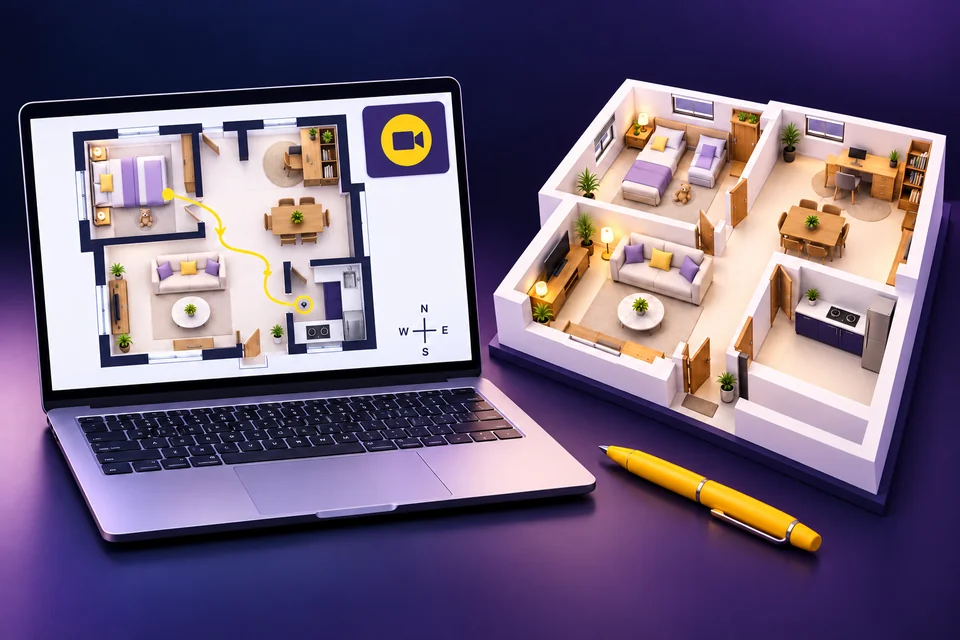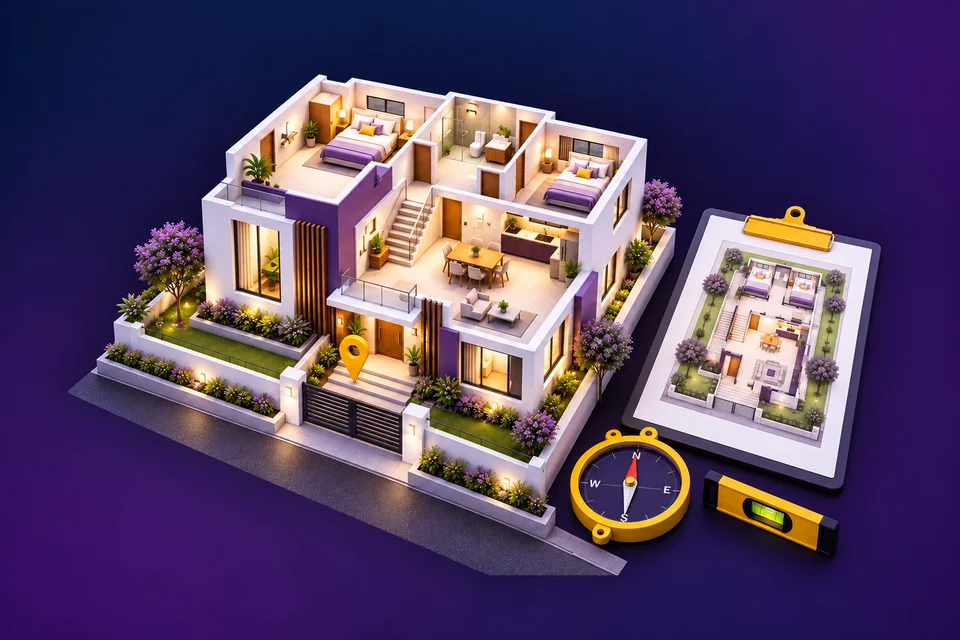
The plot and its surroundings
Study direction, shape, roads, neighbouring structures, open space and ground levels.
MyInstitute · Academy code WSKGWI
Balan Vastu sees Vastu as a gift through which karmic limitations can be overcome through wisdom and conscious design. Its philosophy reflects “விதியை மதியால் வெல்லலாம்”—overcoming destiny through applied wisdom.
The home is studied as a living map of the human body, thoughts, feelings, relationships and life path. Kala Purusha represents time and unfolding events; Vastu Purusha represents how those events become lived experience. Conscious design becomes an expression of free will within this relationship.
Planning begins with the people: their occupation, family tree, generations and children—including the gender of children within this framework. These details guide a personalised home shaped around their work, family responsibilities and direction in life.
Structural defects are read through their corresponding meaning in the body and life. A staircase in the north-east, for example, represents pressure at the head and difficulty turning ideas into action. Disturbances in the north-west are interpreted through the legs, movement and Moon-related emotions—as restlessness, instability and unnecessary travel.
The central aim is to balance the home’s masculine and feminine qualities through boundaries, spatial divisions, doors, windows, slopes, floor levels and load distribution. Planets, the eight directions, Ashtadikpalas—the directional guardians—and Pancha Bhutas—the five elements—form the foundation of this reading.
In Balan Vastu, designing a home is a conscious participation in shaping how we experience life, respond to karma and move towards our chosen destiny.
Study direction, shape, roads, neighbouring structures, open space and ground levels.
Read entrances, windows, room use, heights, internal levels and the movement between spaces.
Read the layout alongside the occupants’ thoughts, emotions, relationships and daily life, then explain possible physical changes.
A plan is read through the experience of the person living in it. Corrections address boundaries, openings, levels and weight distribution in that context, with essential changes and workable alternatives explained clearly.
Dr. Ravi Ramana’s practical approach was a turning point in Iksha Balan’s Vastu learning.
Iksha Balan had studied Vastu with several teachers. His encounter with Dr. Ravi Ramana changed how he understood space and the role of practical corrections.
Introducing an east-facing window became a personal turning point. He describes the experience as the reason he began to study openings, natural light and the living quality of a space more deeply.
He carried that learning into consultations across Tamil Nadu and Karnataka and work with clients abroad. Balan Vastu is the approach he now practises and teaches through the academy.
Personal experiences describe the development of the method; they are not promises of a particular result.
An overview of the subject. Ask the academy for the syllabus of the available course.
Begin with karma, time and space. See how each idea connects to the home in 3D.
A visual teaching overview. The final class syllabus and launch date will be announced in the WhatsApp group.
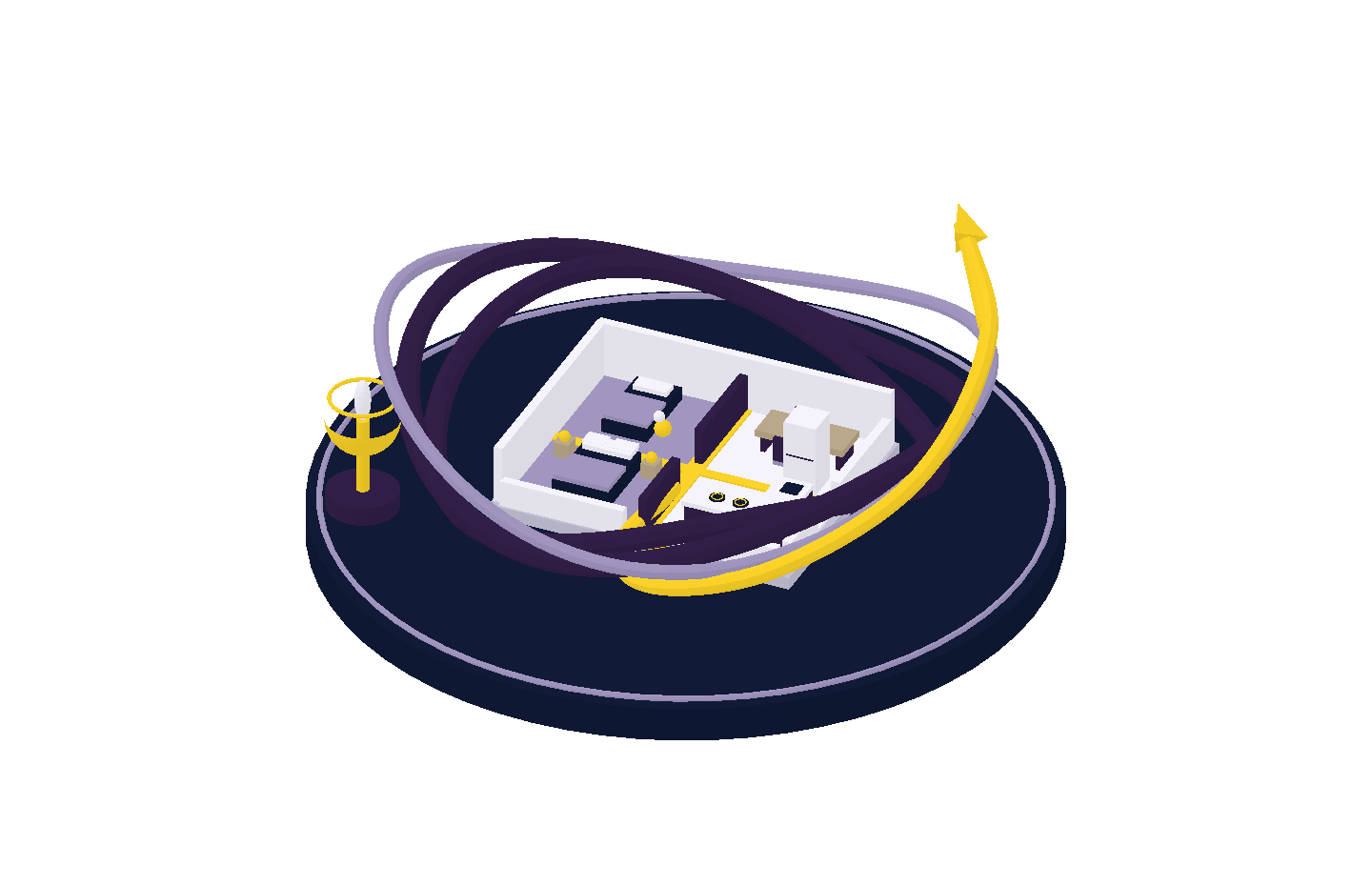
Explore repeating karmic patterns and the new path that wisdom and conscious home design can open within Balan Vastu.
Begin with Sanchita (accumulated karma), Prarabdha (karma unfolding in this life) and Agami (karma created through present choice and action). Study how Balan Vastu reads the home as a field through which karma is experienced, and uses conscious structural correction as an expression of free will. Its guiding philosophy is “விதியை மதியால் வெல்லலாம்”—overcoming fate through wisdom.
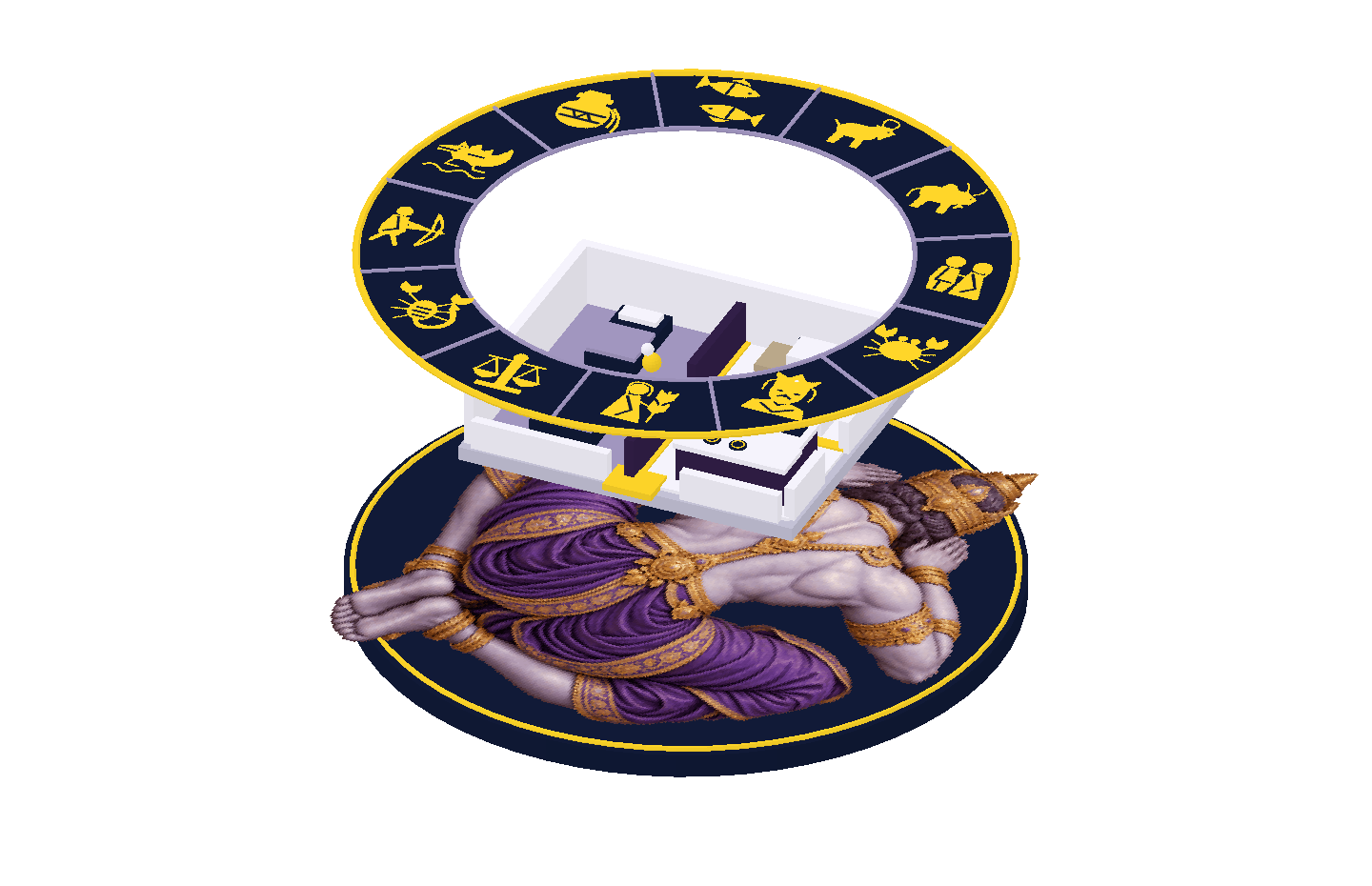
See time above, the living home in the middle, and Vastu Purusha below—all in one connected space.
Study the time–space relationship: Kala Purusha represents when events unfold; Vastu Purusha represents how they become lived experience. Explore the home as a living space that receives and contains the Pancha Bhutas (five elements) and prana (the traditional idea of life energy). Connect this reading with thought, emotions, relationships, work and wealth.
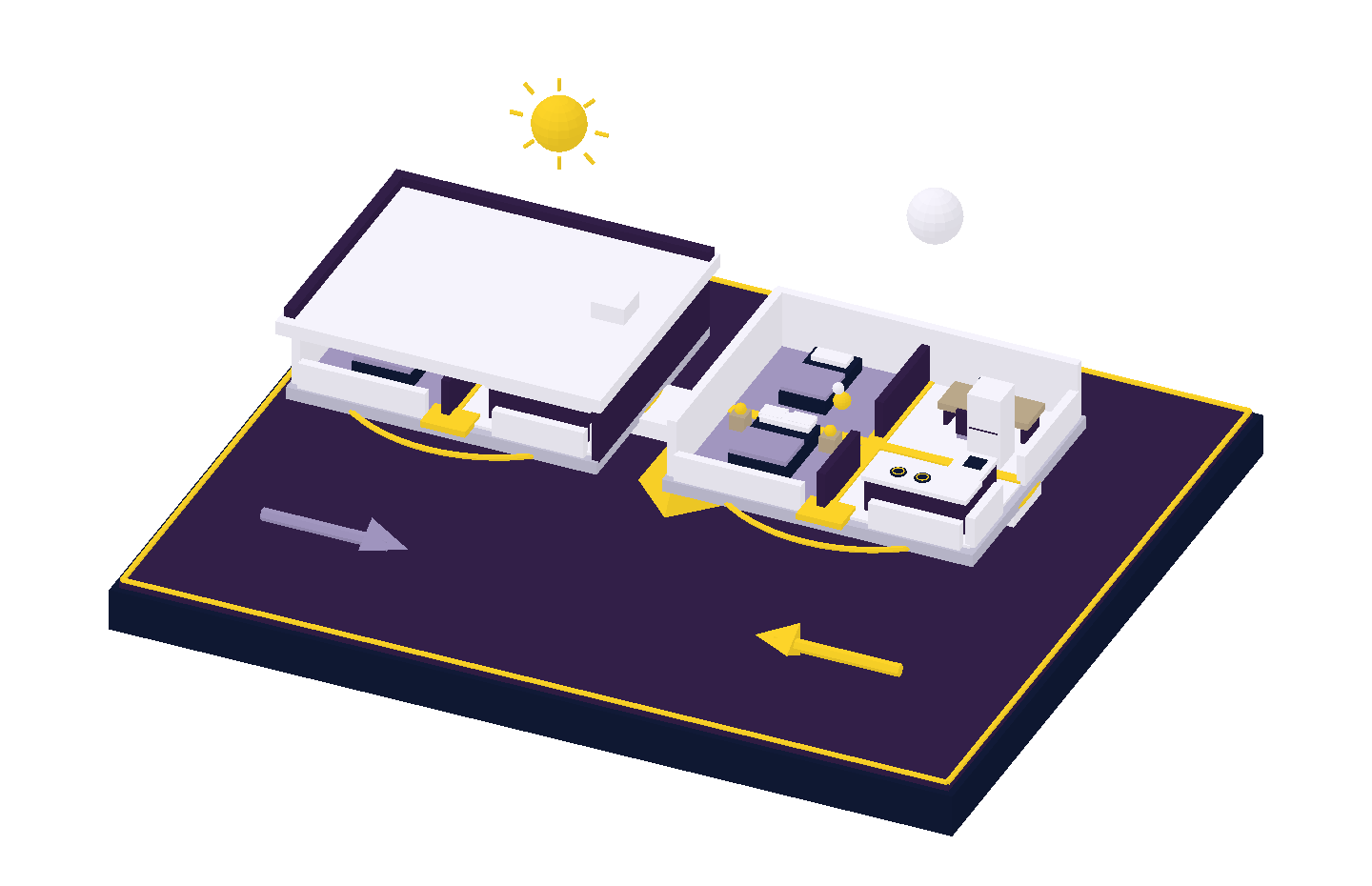
Read the home’s dominant quality and learn how physical changes bring the two sides into balance.
Learn to identify the building’s dominant polarity—its masculine retaining qualities and feminine receiving qualities—from boundaries, openings, heights, slopes and loads. In Balan Vastu, many recurring concerns in thought, emotion, relationships and work are read through an excess or lack of these complementary qualities. Study how to restore balance through physical design, rather than favouring one quality over the other.
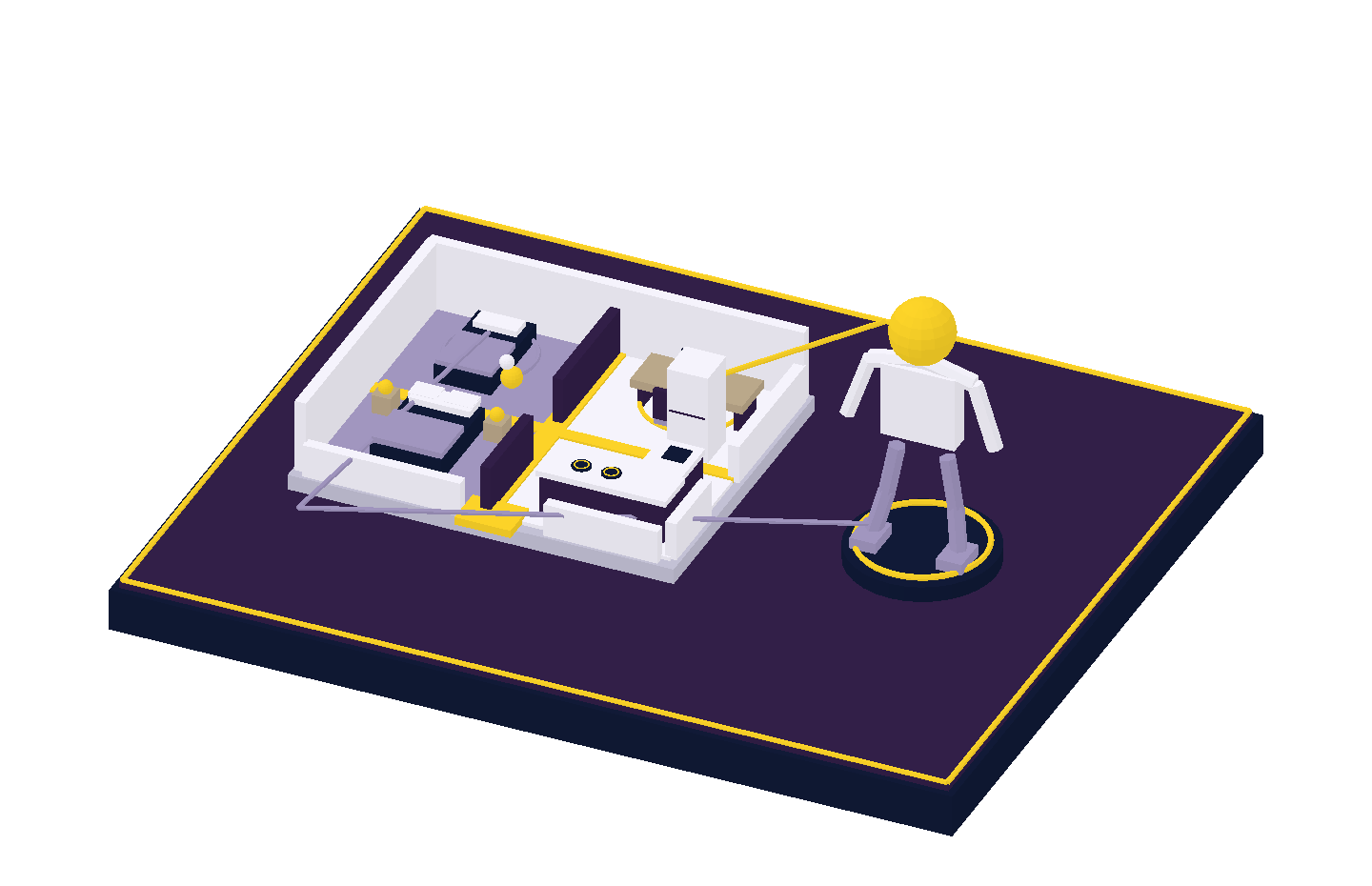
Read a building defect through its corresponding meaning in the body and daily experience.
Explore Iatromathematics—traditional body–planet correspondences—within Balan Vastu’s body–home reading. Each zone is studied through the body, feelings and life patterns. A staircase in the north-east is read as pressure at the head and difficulty acting on ideas; a disturbance in the north-west is read through the legs, movement and Moon-related emotions, including restlessness and unnecessary travel. These are correspondences within the method.
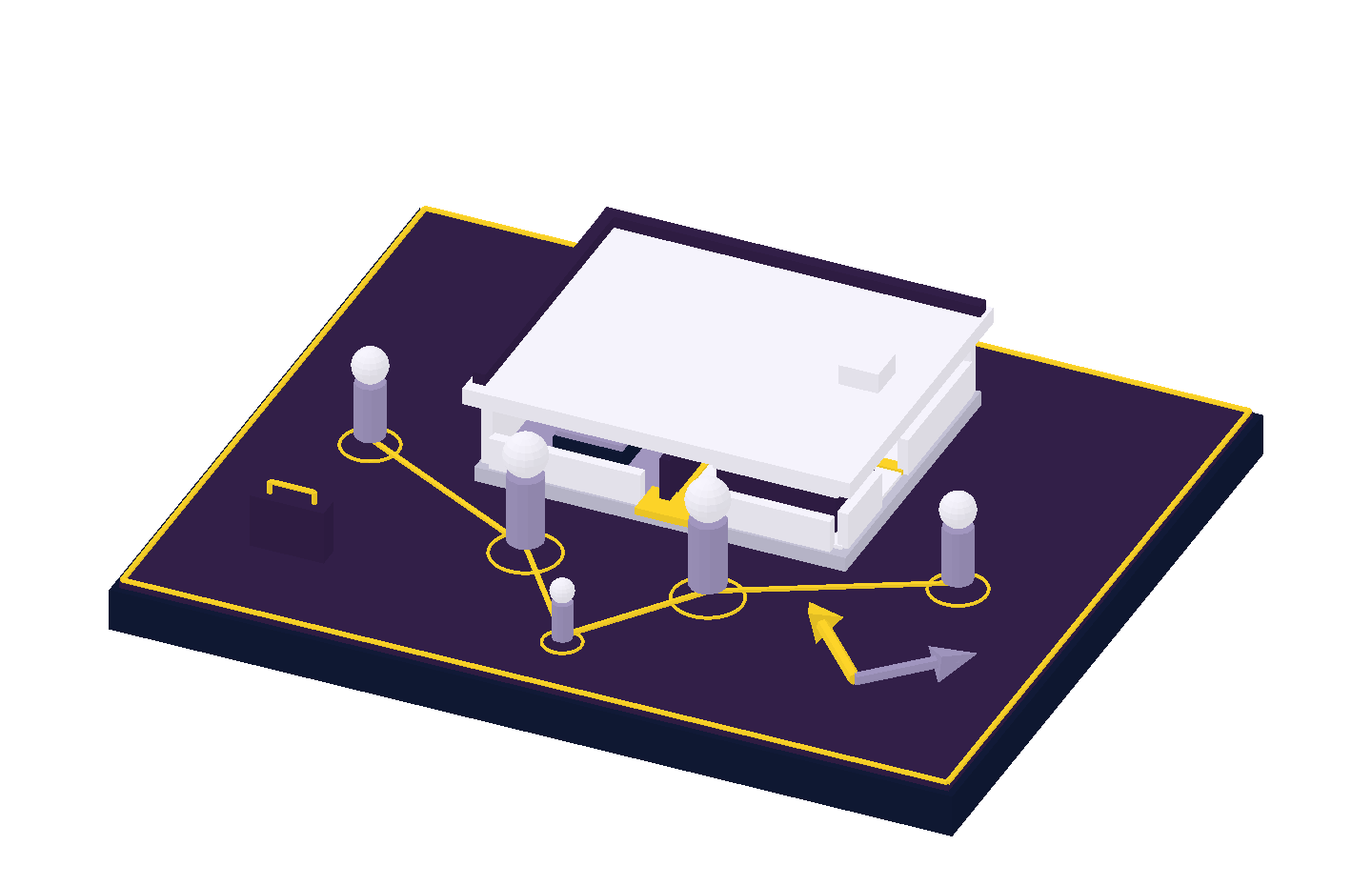
See how ancestral lineage, work and life choices are read together with the home.
Study how Balan Vastu connects ancestral lineage, occupation and life choices with the home. Read the family tree, inherited patterns, generations and children—including their gender within this framework—alongside work, responsibilities and relationships. Learn how ancestral, rented and owned homes are interpreted through these patterns, and how present choices guide a personalised layout.
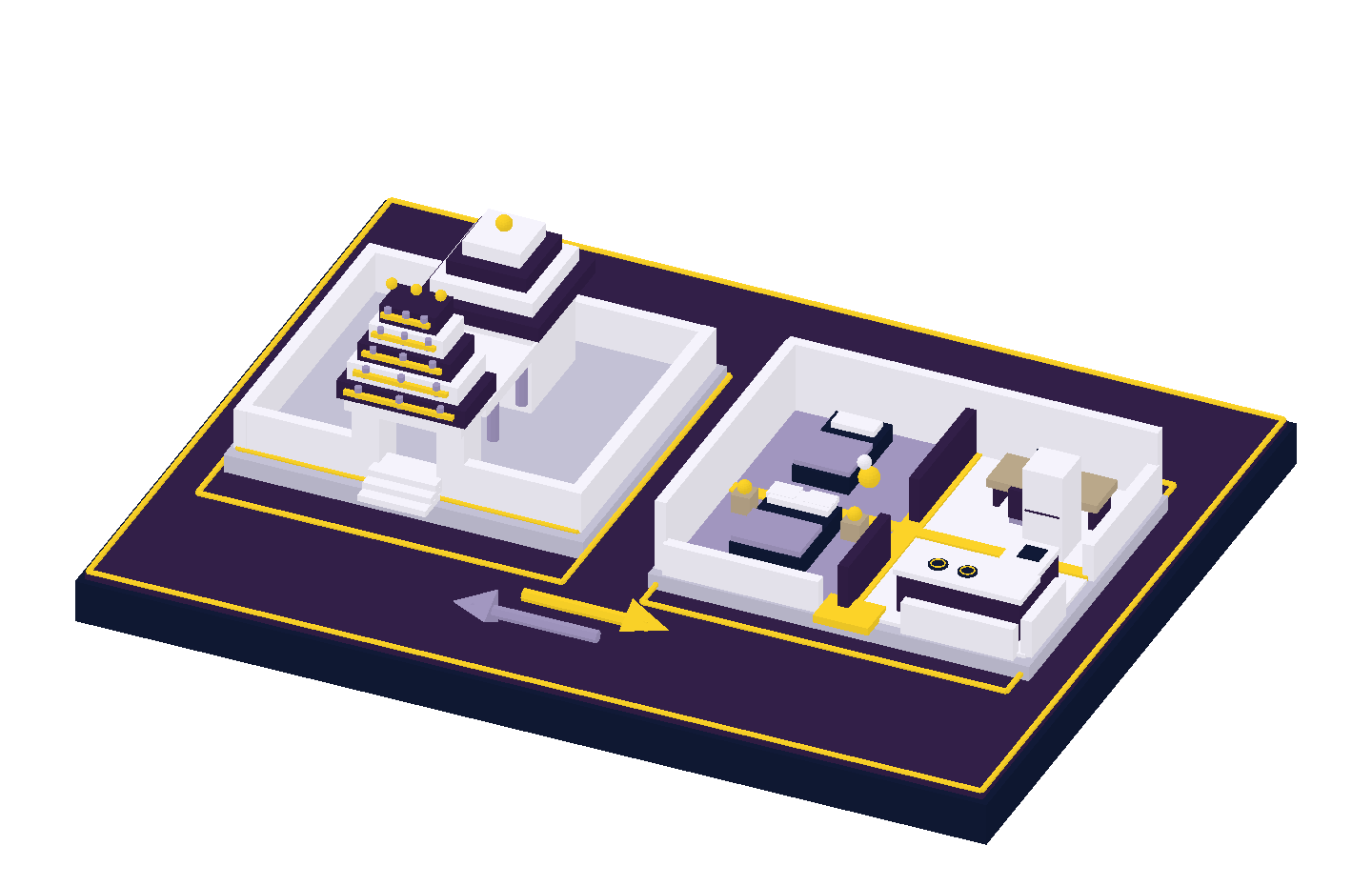
Compare temple and home planning: shared ideas, different purposes.
Study how temple-planning traditions developed, including Dravidian forms, directional alignment, sacred grids, centres and proportion. Compare principles also used in residential reading: boundaries, orientation, spatial divisions, openings and levels. Learn where a principle can be adapted and where temple-specific mandalas, rituals and measurements should remain separate from a modern home.
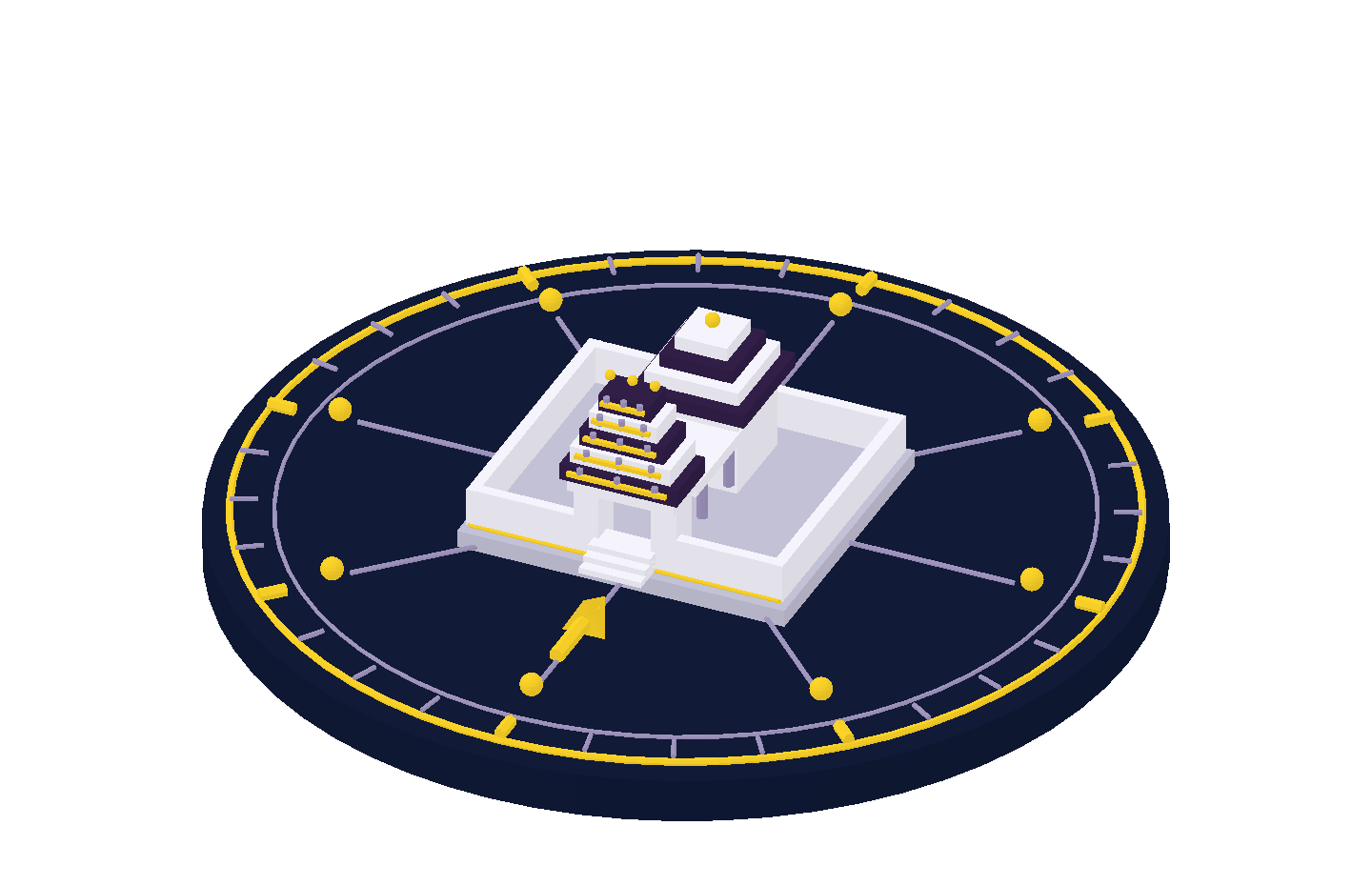
Connect directions, guardians, planets and elements before reading the layout.
Use the compass correctly, including true and magnetic north. Connect the eight directions, Ashtadikpalas (directional guardians), planetary and zodiac associations, and the Pancha Bhutas (five elements). Study these as the foundation for reading body–home correspondences, spatial balance and lived experience within Balan Vastu.
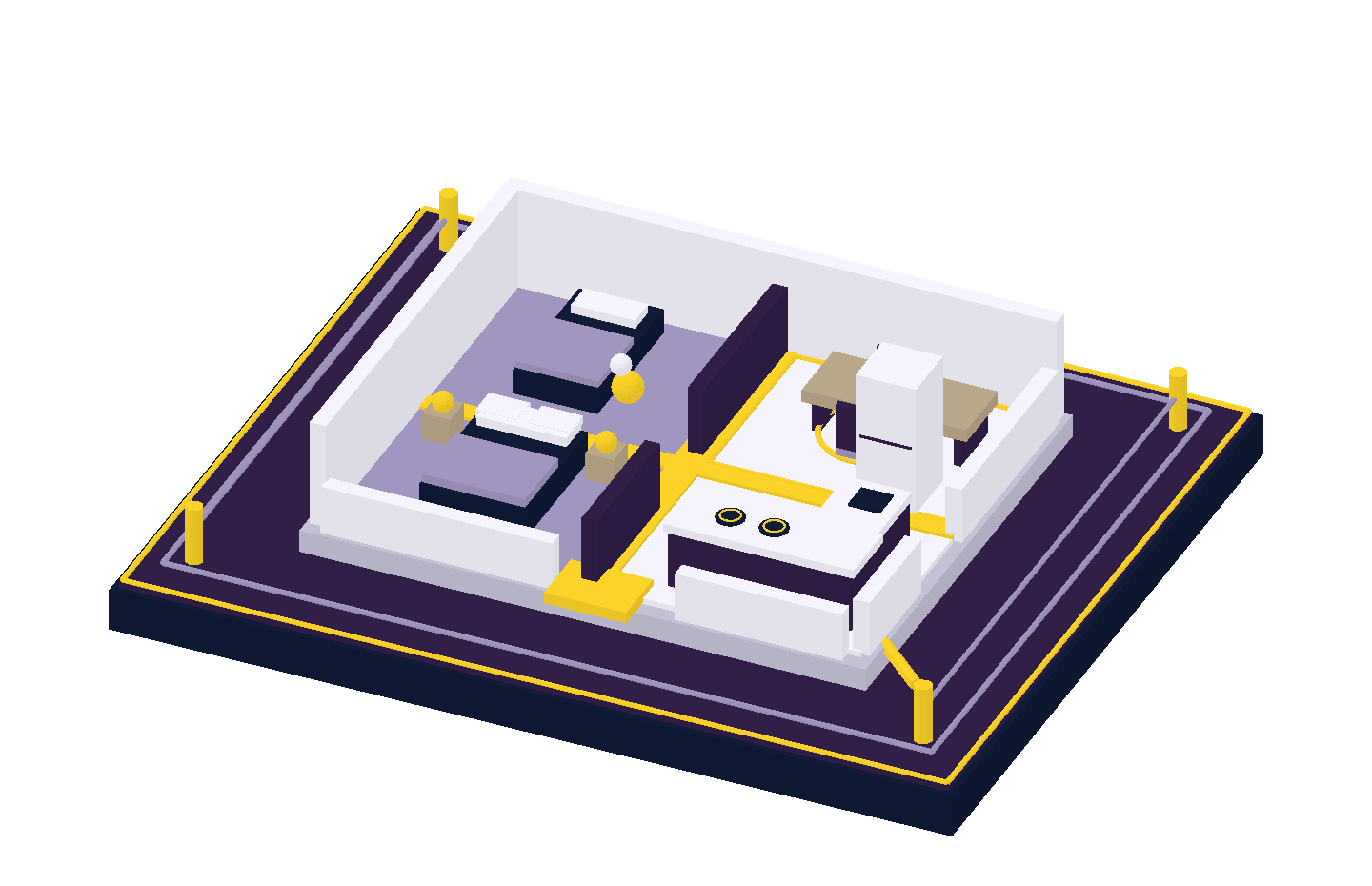
Move from the plot to the building, then to the room—without losing the whole picture.
Read the plot, whole building and each room as related spaces. Study how boundaries, corners and partitions define and contain a space, and how this division is interpreted through the occupants’ life. A room’s compass direction alone is not a complete reading: its openings, height, use and connection with the rest of the home also matter.
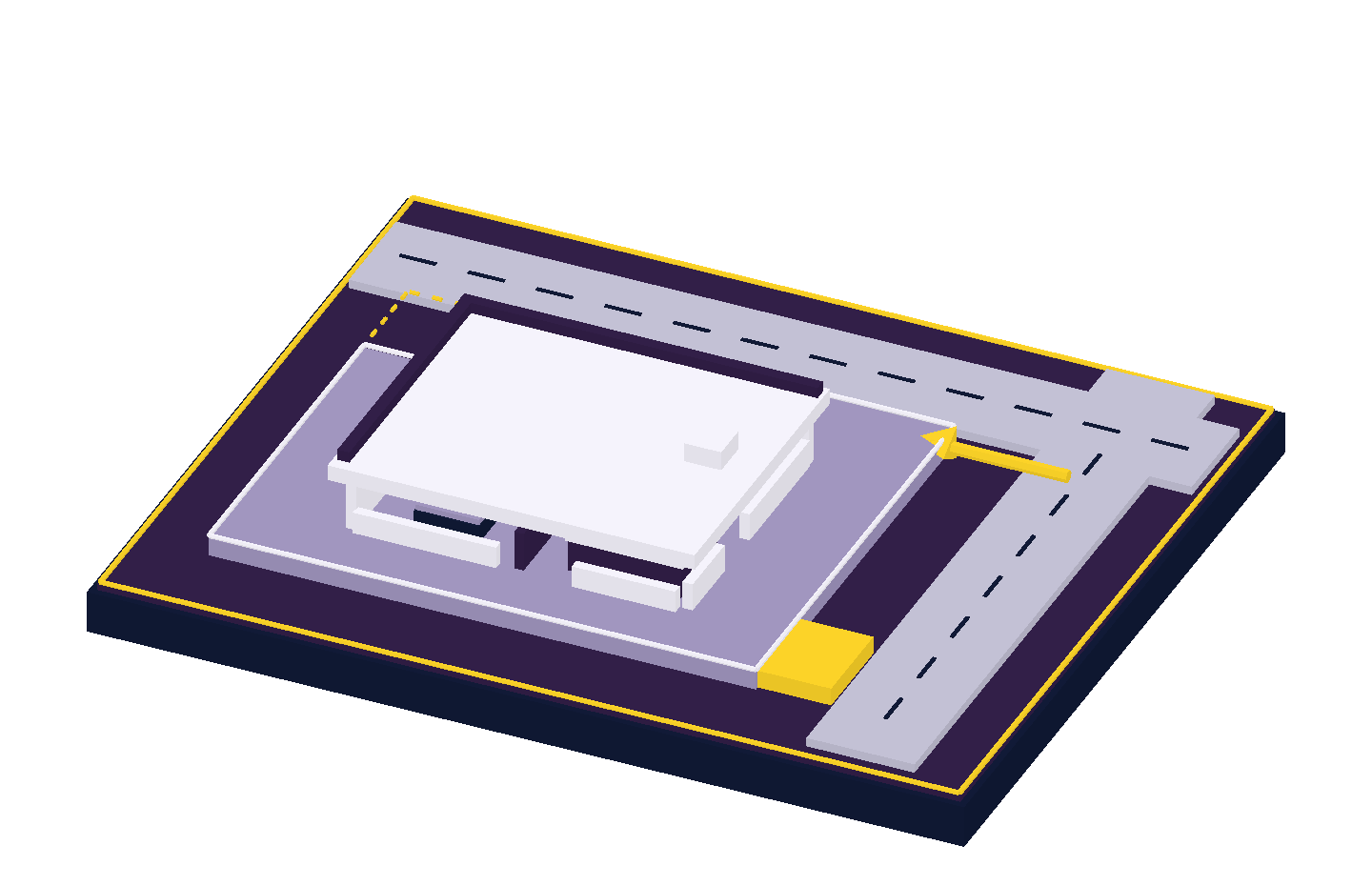
See the actual cut, extension and road approach, then interpret the whole plot.
Recognise cuts, extensions, skewed plots and corner properties, and study how their shape is read through life patterns in this method. Distinguish Therukuthu (a road pointing at the property) from Theruparvai (the road’s line of approach). Identify Ucham and Neecham—the favourable and unfavourable parts of a direction—and examine boundaries and surrounding features together.
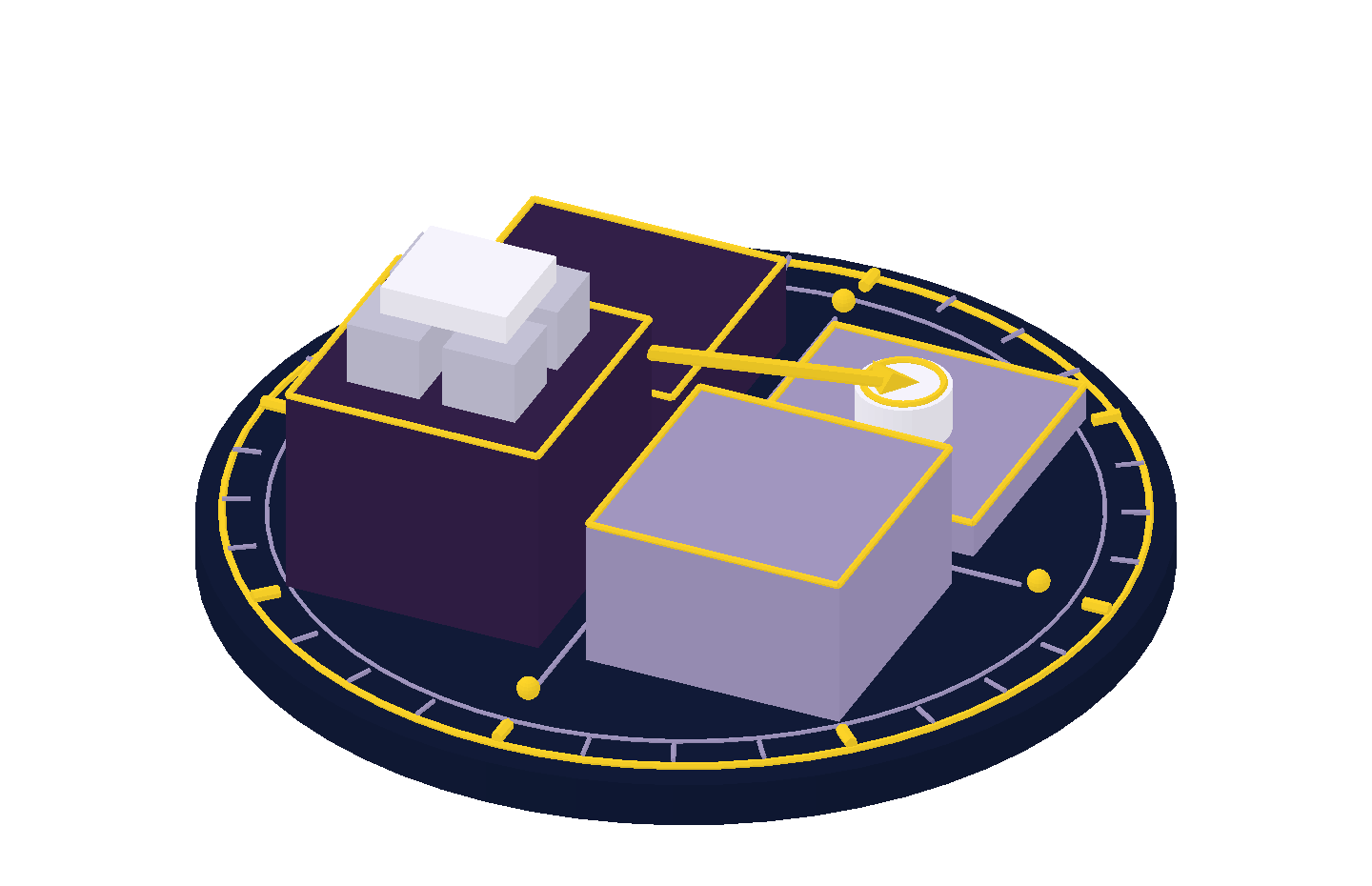
Read heights, slopes and loads together as part of the home’s balance.
Study building and room height, slopes, floor levels and the distribution of weight. Apply the south-west to north-east level hierarchy, and examine structural loads and water-storage positions. Connect these physical details with masculine–feminine balance and the body–home reading, rather than treating a heavy structure as an isolated placement rule.
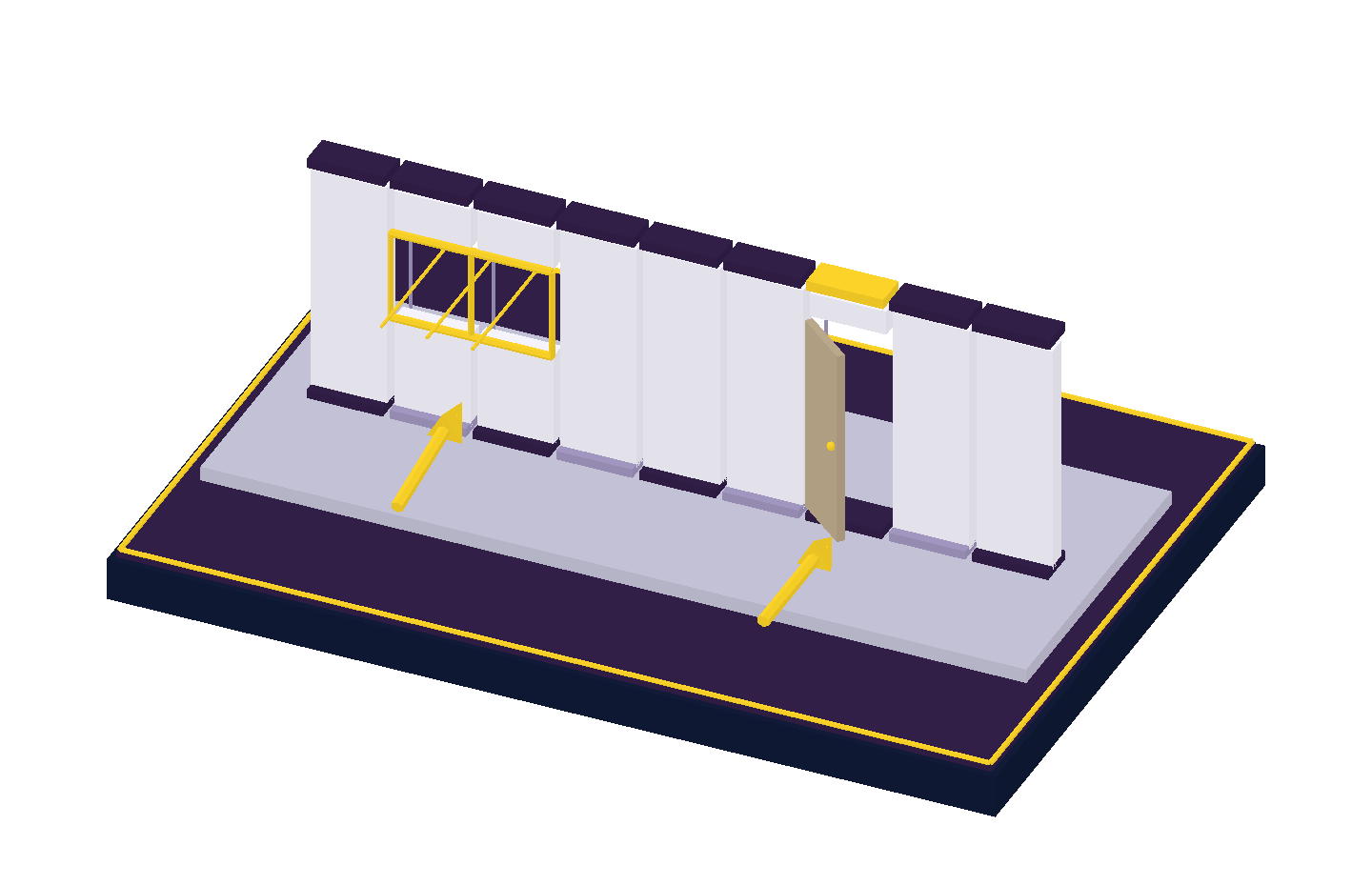
See nine wall divisions and how openings connect inside and outside.
Divide a wall into nine parts to study door and window positions, with particular attention to east and north openings. Explore the course’s metaphor of “quantum portals”: openings that connect the enclosed home with its surroundings. Study light, air, prana, room height and internal doors, and how receiving and retaining qualities are read through these openings.
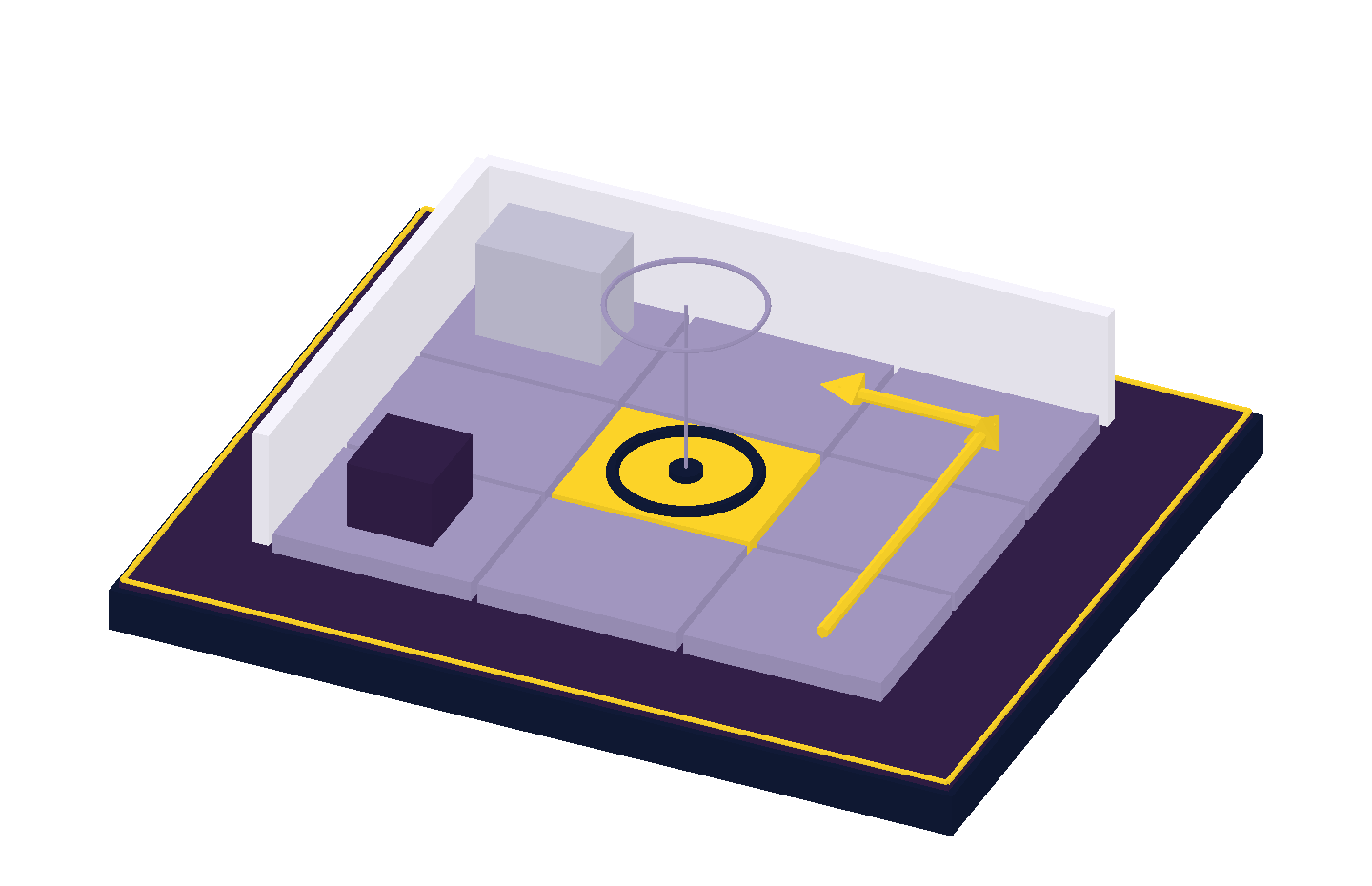
Find the centre and trace clear paths through the home.
Distinguish the physical centre from the sky-space concept of Brahmasthan. Study the north-east walking path, passages, partitions, clutter and circulation through the home and each room. Connect ease or obstruction in movement with the daily rhythms, thoughts and relationships read within this method.
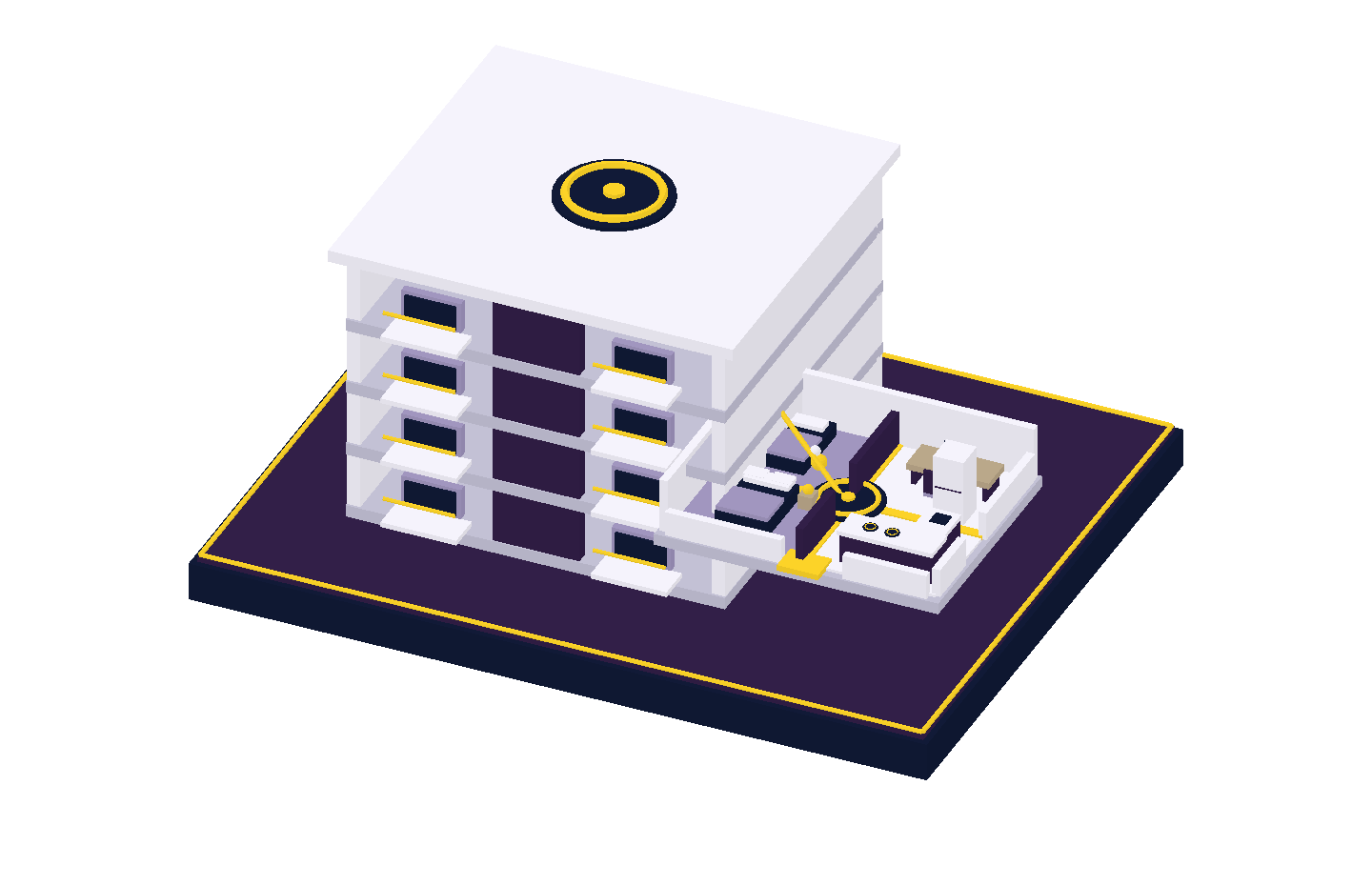
Keep the building and the flat connected, while recognising their separate spaces.
Read the main building and individual flat separately, with their own boundaries and centres. Examine shared walls, floor levels, open-to-sky spaces, openings and the practical limits on changes. Learn how personalised planning and polarity correction are adapted when residents cannot alter the whole plot or structure.
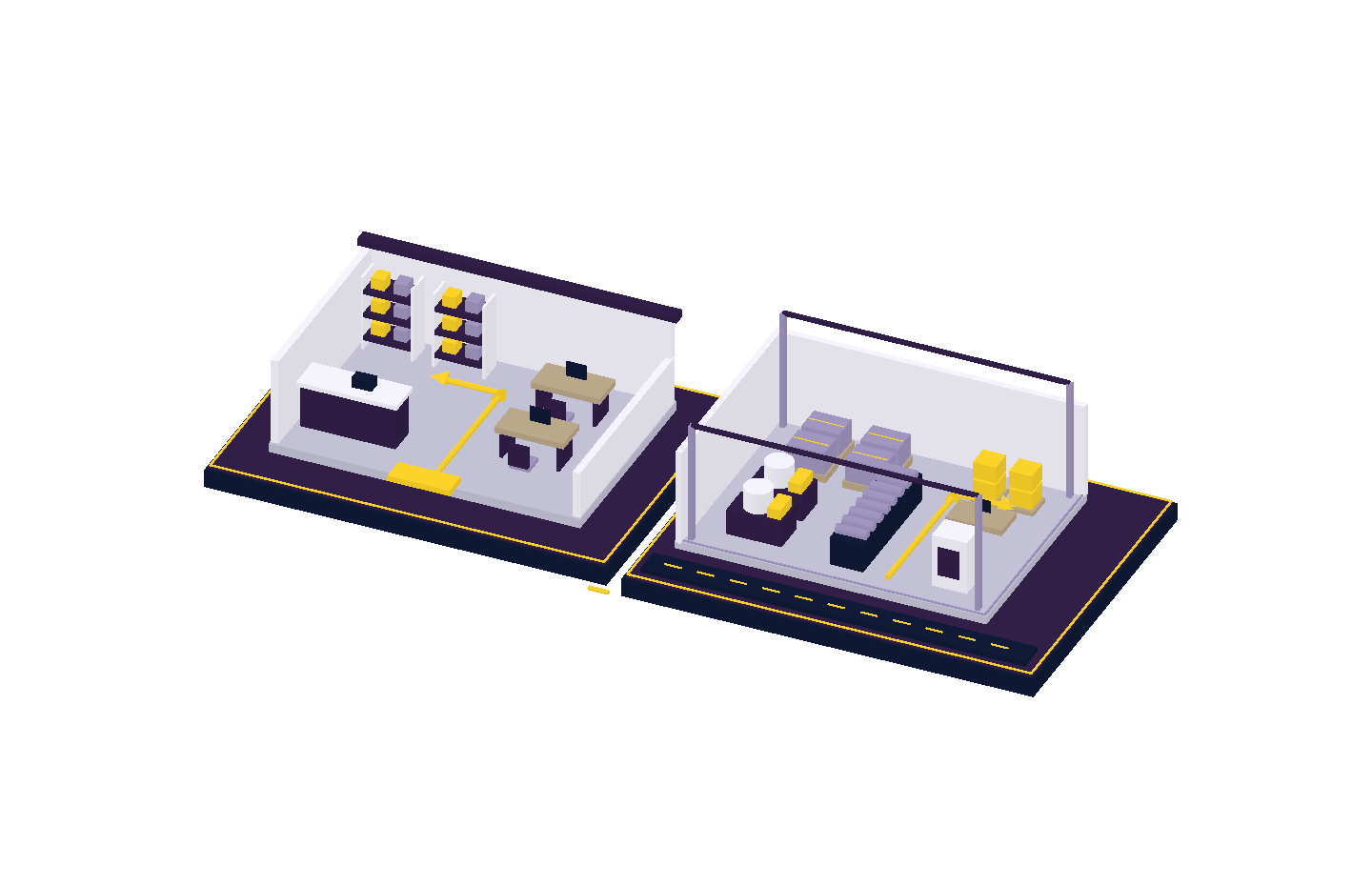
Get a first look at workplace planning, from a shop to a factory.
Get an introduction to applying Balan Vastu to shops, offices, factories and warehouses. Recognise the main concerns: entrances, movement, work and staff areas, machinery, storage, site levels and load balance. Learn how residential foundations are adapted to workplaces and larger sites. In-depth commercial and industrial Vastu study is reserved for advanced courses.
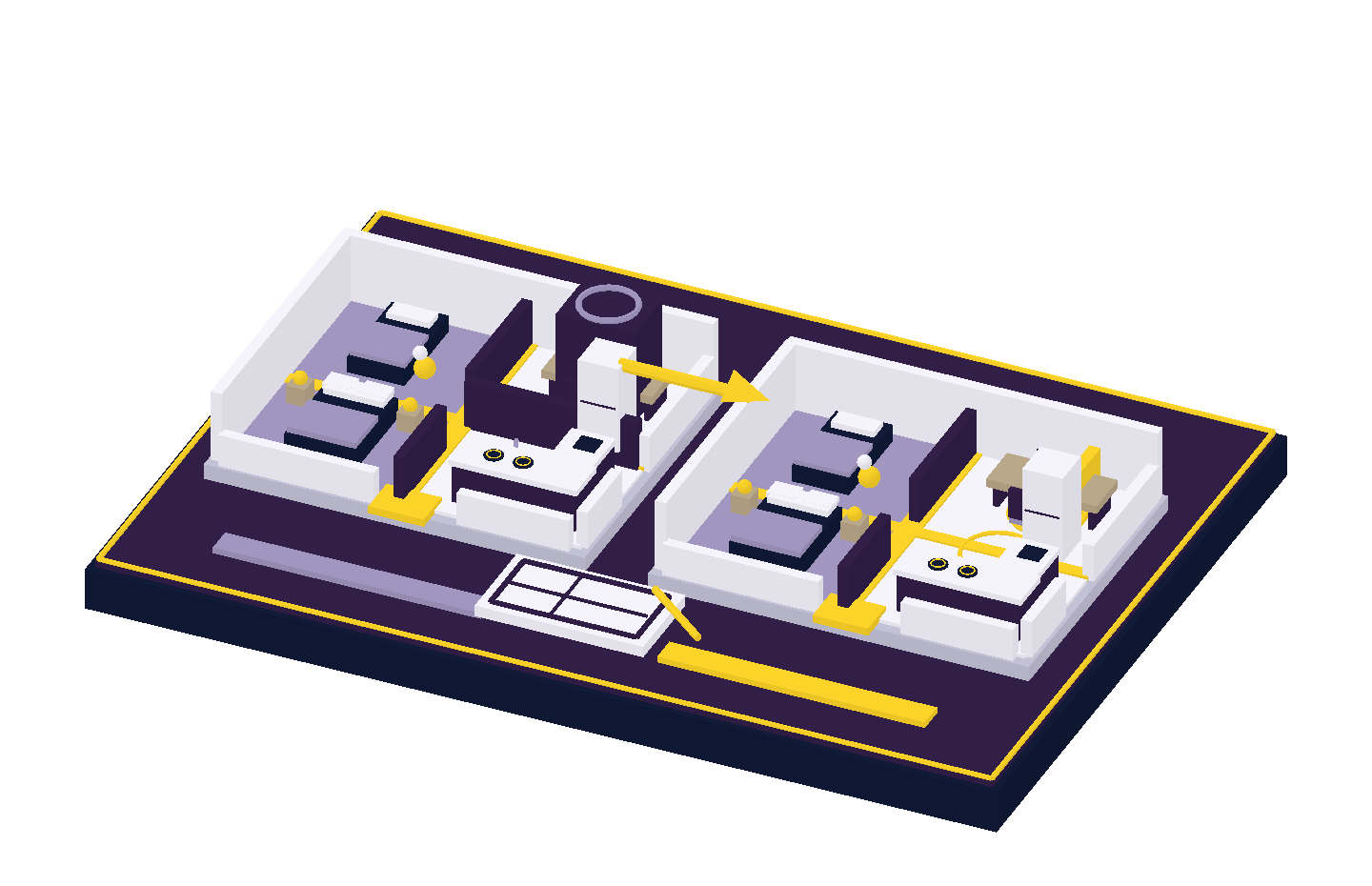
Design your own home around your occupation and life pattern, using real-life examples.
Learn to plan your home yourself around your occupation, family and specific life pattern, using many real-life examples and lived cases. Work step by step from the people and their priorities to plot orientation, room use, openings, slopes, levels and load balance. Compare possible layouts, understand why each choice suits a particular life, and practise turning the reading into your own personalised home plan.
Read the service details to book or enquire.
Review your floor plan for your home, family and work.
A property visit with practical corrections explained.
Iksha Balan Tamil Vastu
Balan Vastu reflects Iksha Balan’s own methods and interpretations. Teacher references acknowledge inspiration and do not imply affiliation or endorsement.